Figma
Figma is a browser-based collaborative design platform for interface design, prototypes, design systems, whiteboards, developer handoff, and product teamwork. Founded in 2012, it challenged desktop design tools, survived a canceled Adobe acquisition, and went public on the NYSE in 2025.
What Figma is
Figma is a browser-based design platform for interface design, prototyping, design systems, whiteboarding, developer handoff, presentation, and product collaboration. On Figma.com, designers, developers, product managers, writers, researchers, and stakeholders can work from the same live file. The official Figma app is available on the App Store and Google Play.
.svg)

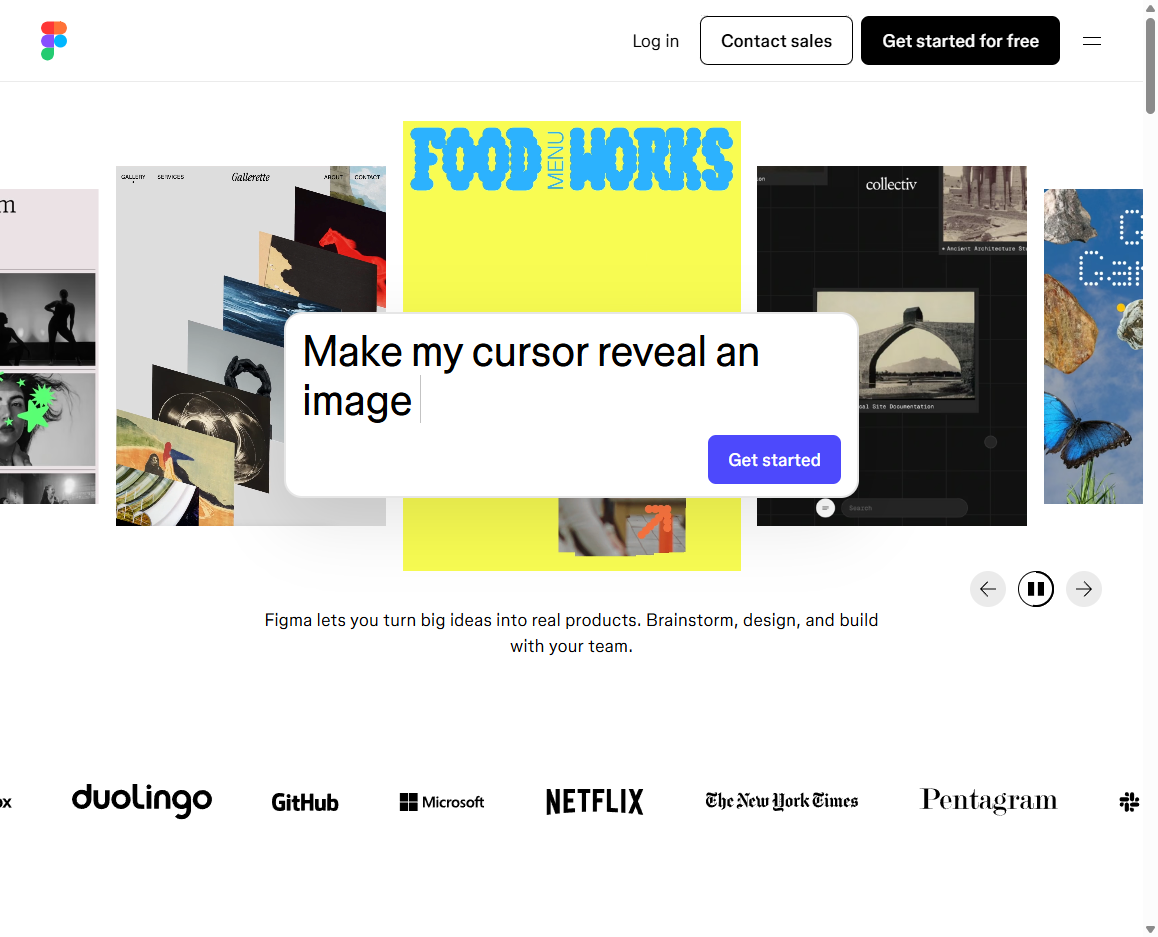
Design in the browser
Figmaโ€s early bet was that a professional design tool could run on the web without feeling like a toy. That mattered because files no longer had to move through screenshots, exports, attachments, and conflicting versions; the design itself could become a shared, always-current place.
Multiplayer collaboration
Figma made real-time multi-user editing feel normal for design work. People can comment, observe cursors, edit together, share links, review prototypes, and invite non-designers into the process without requiring everyone to install a specialized desktop app.
Design systems and components
Components, styles, variables, libraries, and team permissions help organizations turn repeated interface patterns into reusable systems. That made Figma important not only for drawing screens, but for coordinating how products stay consistent as teams and codebases grow.
Developer handoff
Figma also changed the relationship between design and engineering. Developers can inspect spacing, colors, assets, components, and interaction notes directly in the file, while newer tools connect designs more closely with code, documentation, and AI-assisted product building.
Adobe deal and independence
Adobe announced a plan to acquire Figma in 2022, but the companies mutually abandoned the deal in December 2023 after regulatory pressure. Figma then continued independently and went public in 2025, making its independence a central part of the companyโ€s recent story.
Rise and pressure
Figma rose by turning collaboration into the default mode for design software. Its pressure points now include public-company expectations, competition from Adobe and Canva, AI-native design tools, developer workflow platforms, and the challenge of expanding beyond designers without diluting what made the product precise.
Why it matters
Figma matters because it changed how digital products are made. It pulled design out of isolated files and into a shared workspace where product, engineering, brand, and leadership teams can see and shape the same work earlier in the process.
WHOIS domain data
Data pulled: May 24, 2026View current WHOIS record
- Domain
- figma.com
- IP address
- 18.160.41.84
- Registrar
- Amazon Registrar, Inc.
- WHOIS server
- whois.registrar.amazon
- Referral URL
- http://registrar.amazon.com
- Created
- April 10, 1999
- Updated
- March 6, 2026
- Expires
- April 10, 2027
- Nameservers
- ns-326.awsdns-40.com (205.251.193.70); ns-912.awsdns-50.net (205.251.195.144); ns-1239.awsdns-26.org (205.251.196.215); ns-1657.awsdns-15.co.uk (205.251.198.121)
- Domain status
- clientDeleteProhibited; clientTransferProhibited; clientUpdateProhibited
- Registrant contact
- On behalf of figma.com owner, Identity Protection Service, Hayes, Middlesex, GB
- Registrant phone
- +44.1483307527
- Registrant fax
- +44.1483304031
- Registrant email
- c46abd07-ef7c-41b7-9b54-86a170edff45@identity-protect.org
- DNSSEC
- unsigned