Canva
Canva is an online visual communication platform for templates, presentations, social media graphics, documents, videos, websites, brand kits, print products, collaboration, and AI-assisted design. Launched in 2013, it made everyday graphic design easier for teams, schools, creators, and small businesses.
What Canva is
Canva is a web-based design platform for presentations, social posts, posters, videos, documents, whiteboards, websites, brand kits, print products, and team collaboration. On Canva.com, its core promise is that non-designers can make useful visual work quickly without learning professional desktop software first.
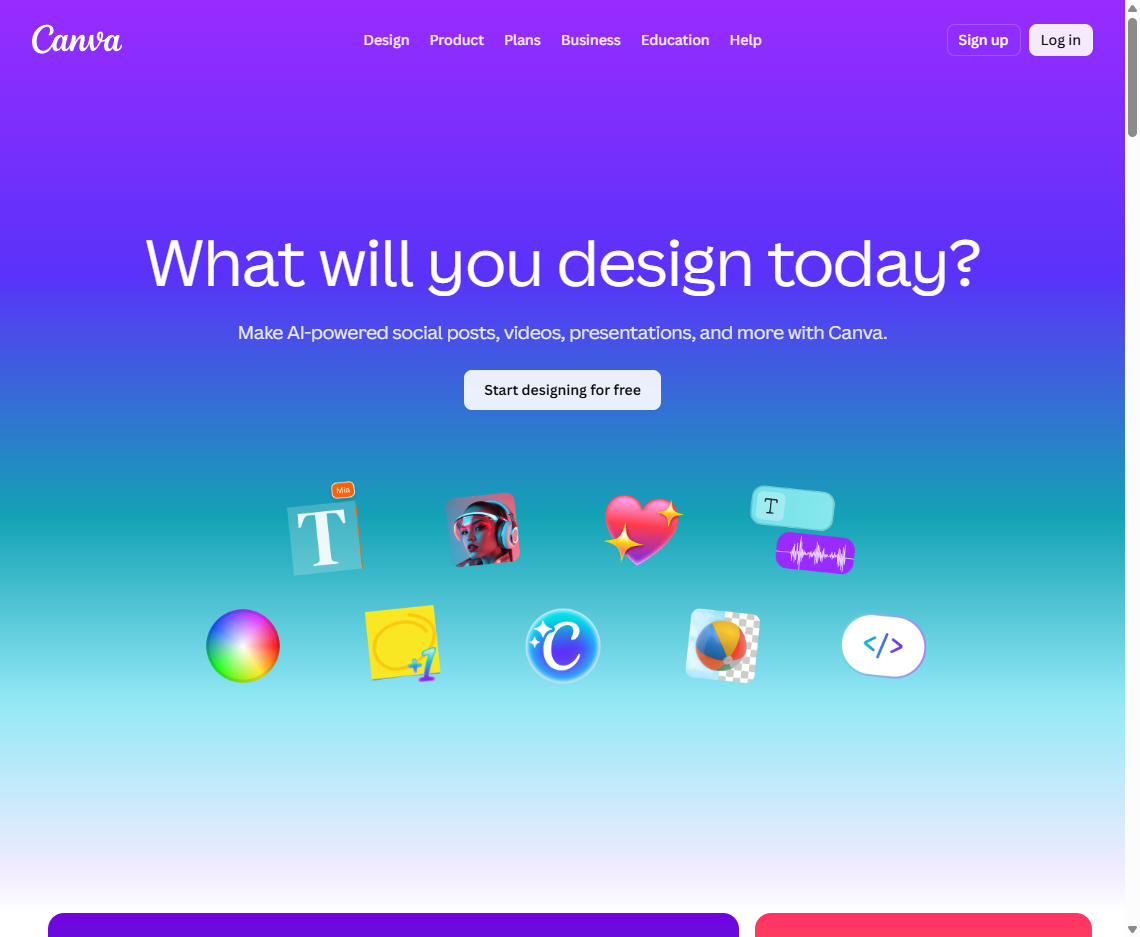
Design for everyone
Canva launched publicly in 2013 with a drag-and-drop editor, templates, fonts, graphics, and stock images in one browser-based workspace. That combination lowered the barrier for small businesses, teachers, students, nonprofits, creators, and office teams that needed everyday design but did not have dedicated designers.
Templates as infrastructure
Templates are central to Canvaโ€s model. They turn a blank canvas into a starting point for resumes, slides, menus, thumbnails, flyers, social graphics, and classroom materials. This made design feel more like editing a useful pattern than building every layout from scratch.
Collaboration and brand control
As Canva moved into workplaces, it added comments, shared folders, team permissions, brand kits, approvals, and reusable assets. These tools let organizations keep logos, colors, fonts, and campaign materials consistent while still allowing many people to create their own work.
Visual Suite and AI
Canva has expanded from single designs into a broader Visual Suite that connects documents, presentations, whiteboards, video, websites, email, data, and AI features. Its AI tools aim to help users draft text, generate images, translate designs, resize formats, and move faster from idea to publishable asset.
Marketplace and content supply
Canvaโ€s library depends on templates, fonts, photos, videos, illustrations, audio, and third-party integrations. Acquisitions such as Pexels and Pixabay strengthened its supply of free visual material, while paid content and creator programs helped turn the platform into a marketplace for design ingredients.
Rise and competitive pressure
Canva rose by serving the huge middle ground between professional design suites and simple document editors. Its pressure now comes from Adobe, Microsoft, Google, Figma-like collaboration norms, AI-native creative tools, and the difficulty of serving both casual users and enterprise teams without making the product feel heavy.
Why it matters
Canva matters because it changed who gets to produce visual communication at scale. It made design part of ordinary work for classrooms, shops, nonprofits, creators, and corporate teams, while pushing older software companies to make creative tools more collaborative, browser-based, and accessible.