Instagram is a photo and video-sharing social network owned by Meta. Launched in 2010 by Kevin Systrom and Mike Krieger, it grew from square filtered photos into a major platform for creators, brands, messaging, Stories, Reels, shopping, and visual online culture.
What Instagram is
Instagram is a social networking app and website built around visual sharing. On Instagram.com, people post photos, videos, Stories, Reels, livestreams, messages, comments, and shopping links. It is used by friends, creators, celebrities, small businesses, publishers, brands, artists, activists, and advertisers.
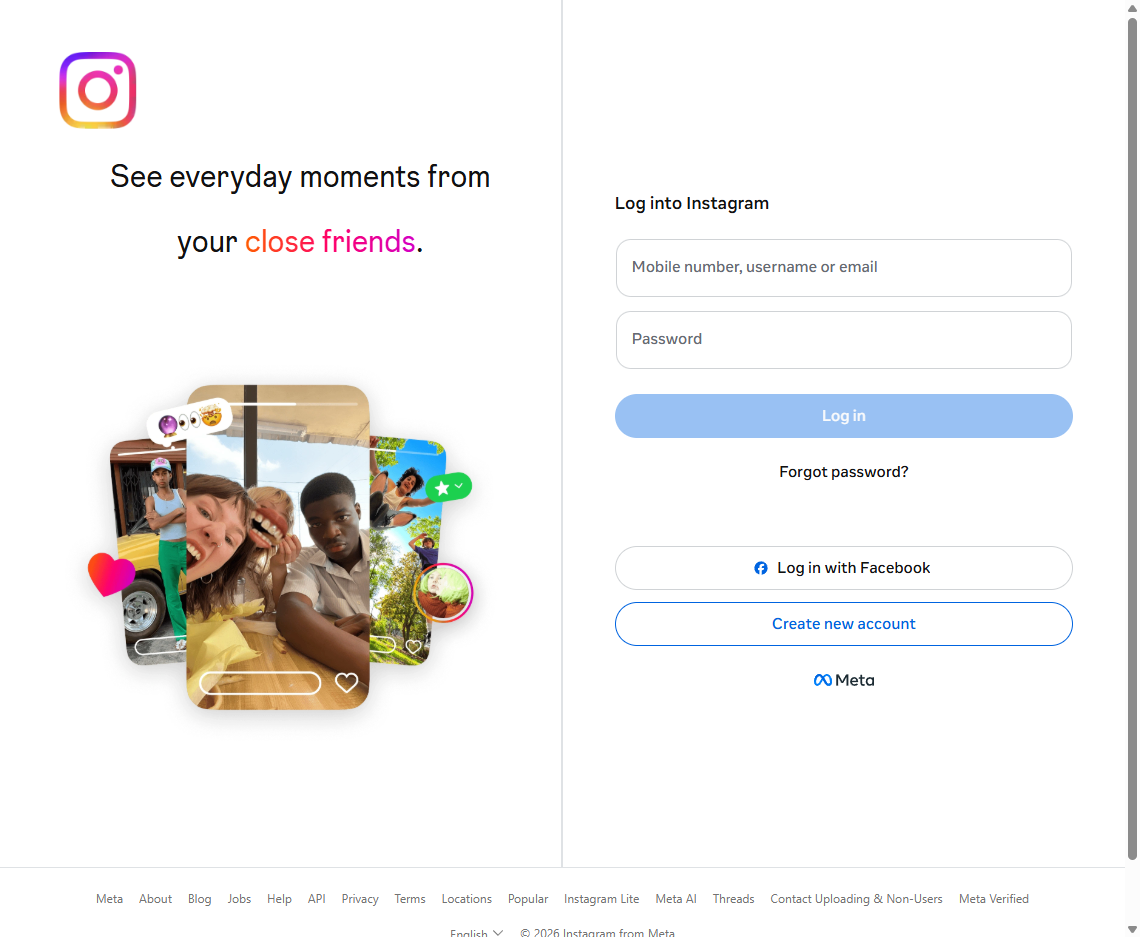
Photo app origins
Instagram began as a simple mobile-first photo app. Its early identity came from square images, filters, likes, follows, and a feed that made everyday phone photos feel stylized and shareable. That simplicity helped it stand out during the smartphone boom, when cameras and social apps were becoming part of daily life.
Meta acquisition
Facebook acquired Instagram in 2012, before Instagram had become the giant it is today. Meta later kept Instagram as a separate app while tying it into a broader advertising, messaging, and creator ecosystem. The deal is often studied as one of the defining acquisitions of the social media era.
Stories, Reels, and adaptation
Instagram has repeatedly adapted to rival formats. Stories made disappearing visual updates central to the app, while Reels brought short-form vertical video into Instagram's discovery system. These shifts changed Instagram from a photo grid into a mixed media platform where creators compete for attention across several formats.
Creators and influencers
Instagram helped popularize the modern influencer economy. A creator can build a public identity through images, videos, captions, comments, collaborations, brand deals, affiliate links, and direct audience relationships. For businesses, Instagram became a storefront, portfolio, customer-service channel, and advertising surface.
Discovery and the algorithm
Instagram discovery depends on feeds, Explore, Reels, hashtags, recommendations, follows, direct shares, and paid promotion. The algorithmic parts of the app can help unknown creators reach new audiences, but they also make visibility unpredictable. Small changes in ranking can strongly affect creators, publishers, and businesses.
Pressure and criticism
Instagram has faced criticism over mental health, body image, teen safety, misinformation, privacy, data use, scams, content moderation, and the pressure to perform a polished life. These concerns grew as the app became more central to identity, shopping, fame, and youth culture.
Rise and reinvention
Instagram rose by making mobile photos social and beautiful, then survived by reinventing itself around video, messaging, creators, shopping, and recommendation feeds. That reinvention kept it popular, but also made the app feel less like the quiet photo album it began as and more like a full entertainment and commerce platform.
Why it matters
Instagram matters because it changed how people present themselves, discover trends, follow creators, shop, travel, organize communities, and judge visual culture. It also shows how popular websites evolve: a small, focused product can become a platform whose design choices influence art, commerce, politics, self-image, and everyday communication.