YouTube
YouTube is a video-sharing website and platform where people upload, watch, stream, comment on, and monetize video. Founded in 2005 and acquired by Google in 2006, it became a central home for creators, music, education, entertainment, live video, Shorts, and internet culture.
What YouTube is
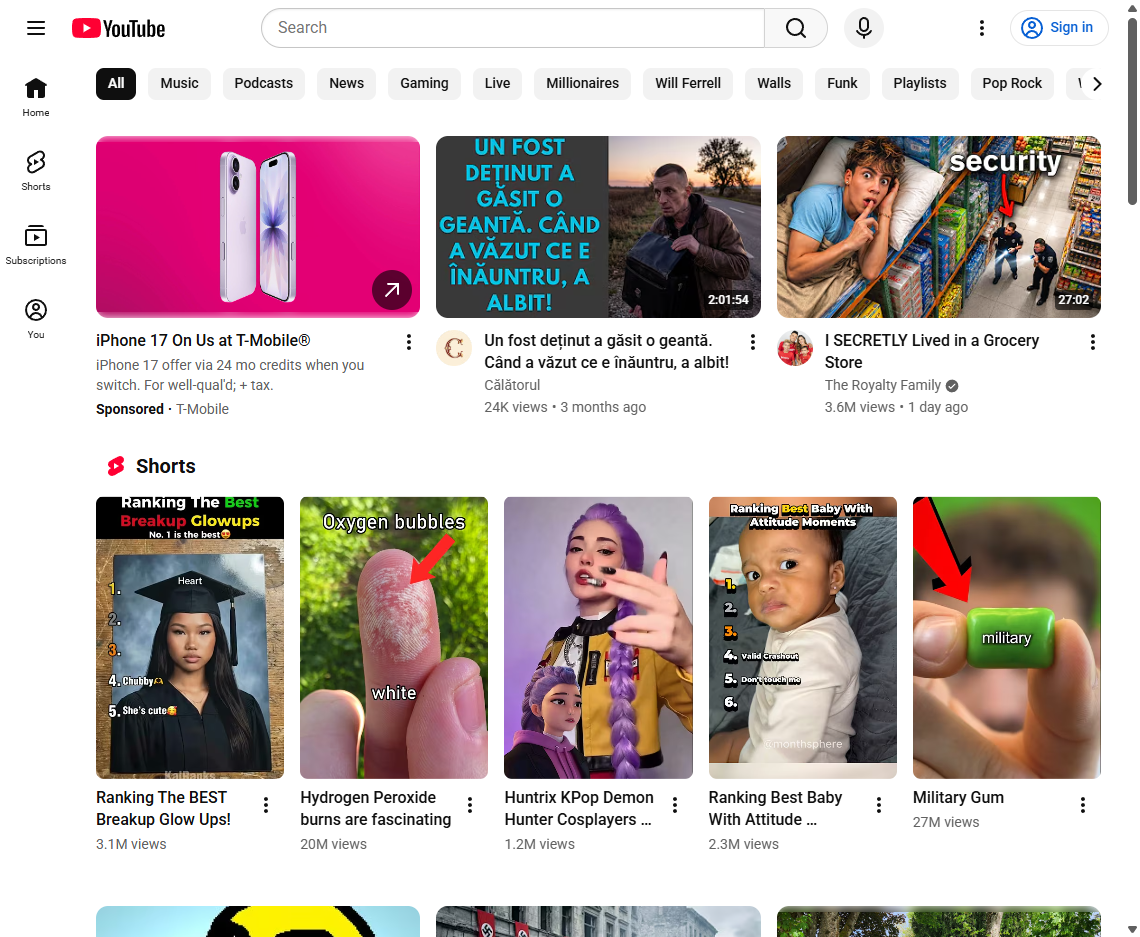
YouTube is a website, app, and media platform for video at YouTube.com. It hosts user-uploaded videos, professional channels, livestreams, music, podcasts, educational lessons, news clips, gaming content, Shorts, and paid products such as YouTube Premium and YouTube TV. The official YouTube app is available on the App Store and Google Play. For many users, YouTube works like a search engine, television network, music service, archive, classroom, and social platform at once.
.svg)

From startup to Google
YouTube began in 2005 as a simple way to upload and share video on the web. Its early growth was explosive because uploading, embedding, and watching video became easier than on many earlier services. Google announced a $1.65 billion stock deal to acquire YouTube in October 2006 and closed the acquisition the next month, keeping the YouTube brand while giving it Google's infrastructure and advertising reach.
Creator economy
YouTube helped turn online video into a creator economy. Channels can build audiences, earn money through the YouTube Partner Program, sell memberships, receive fan funding, promote products, and license or distribute professional content. The platform changed what it means to be a broadcaster: a creator can start with a phone and still reach a global audience.
Search, recommendations, and discovery
YouTube discovery depends on both search and recommendation systems. Users search for tutorials, songs, reviews, news, lectures, and entertainment, while the homepage, subscriptions, Shorts feed, and suggested videos push content toward viewers. These systems make YouTube powerful, but they also raise questions about attention, misinformation, incentives, and why certain videos are amplified.
Shorts and mobile video
YouTube Shorts brought short vertical video into the YouTube ecosystem. It competes with TikTok, Instagram Reels, and other quick-scroll formats while connecting short clips to long-form channels, music, comments, subscriptions, and monetization. Shorts also shows how YouTube keeps adapting: the site that began with short web clips later became long-form video, then folded short-form video back in.
Copyright and moderation
A platform built on uploads has to manage copyright, harmful content, spam, harassment, child safety, misinformation, and advertiser expectations. YouTube uses policies, reporting systems, automated detection, human review, Content ID, age restrictions, and monetization rules. These systems are never neutral in their effects: they shape what creators can post, earn from, and keep online.
Rise and reinvention
YouTube rose by making video sharing simple at the exact moment broadband, digital cameras, and social embedding were spreading. Its reinvention has been constant: from viral clips to partner channels, from desktop viewing to mobile, from amateur uploads to studio-scale creators, from long-form video to Shorts, and from a website into a global entertainment layer inside Google's business.
Why it matters
YouTube matters because it changed who can publish video and who can build an audience. It reshaped music discovery, education, advertising, politics, entertainment, gaming, children's media, and everyday how-to knowledge. It also concentrates enormous cultural power in one platform's rules, ranking systems, monetization choices, and relationship with creators.
WHOIS domain data
Data pulled: May 24, 2026View current WHOIS record
- Domain
- youtube.com
- IP address
- 142.251.163.136
- Registrar
- MarkMonitor Inc.
- WHOIS server
- whois.markmonitor.com
- Referral URL
- http://www.markmonitor.com
- Created
- February 15, 2005
- Updated
- January 14, 2026
- Expires
- February 15, 2027
- Nameservers
- ns1.google.com (216.239.32.10); ns2.google.com (216.239.34.10); ns3.google.com (216.239.36.10); ns4.google.com (216.239.38.10)
- Domain status
- clientDeleteProhibited; clientTransferProhibited; clientUpdateProhibited; serverDeleteProhibited; serverTransferProhibited; serverUpdateProhibited
- Registrant organization
- Google LLC
- Registrant country
- US
- Contact email
- Select Request Email Form at https://domains.markmonitor.com/whois/youtube.com
- DNSSEC
- unsigned