Match.com
Match.com is an online dating website and app for singles who create profiles, search or receive potential matches, communicate through platform tools, and use paid features to support dating and relationship discovery.
What Match.com is
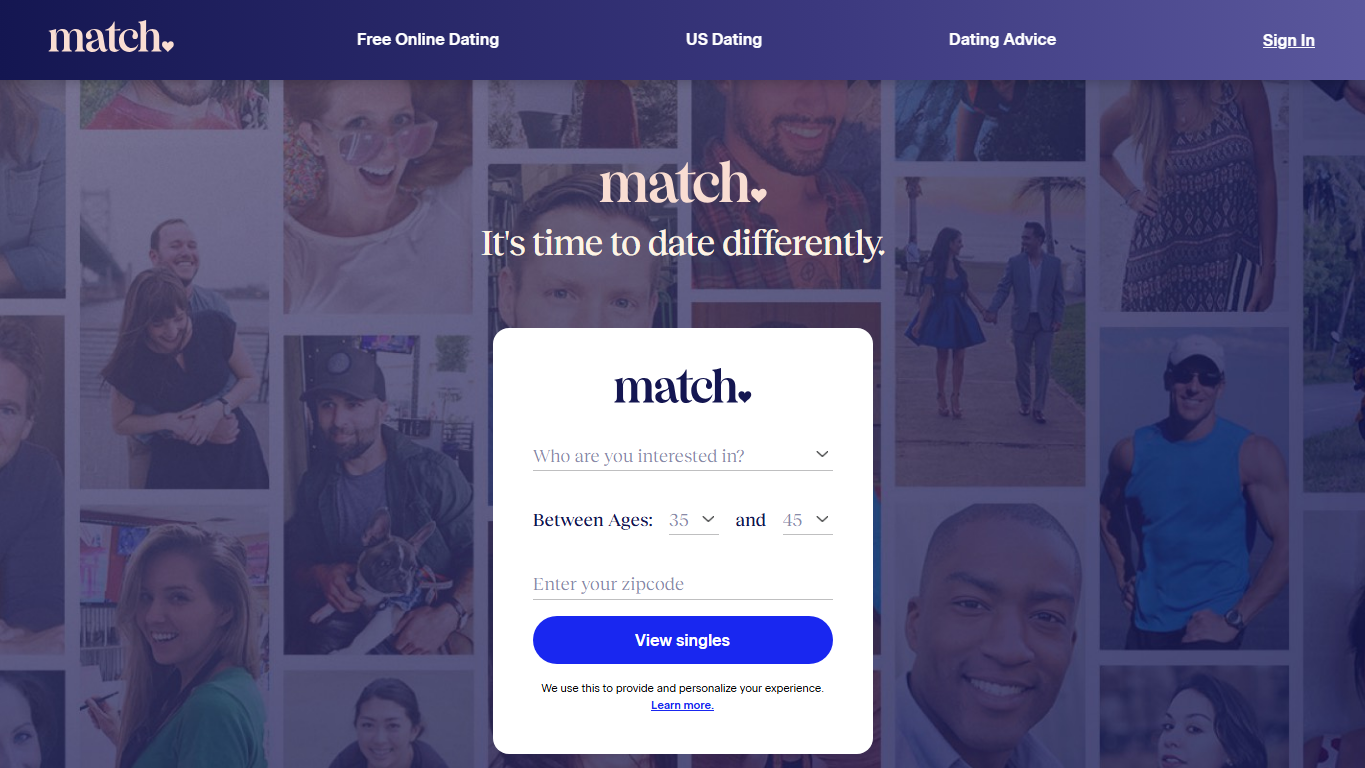
Match.com is an online dating website and app at Match.com where adults create profiles, browse or receive potential matches, communicate with other users, and use dating tools intended to support serious or intentional connections. The brand is closely associated with the early history of web-based dating.
Early online dating
Match.com became prominent in the 1990s, when putting dating profiles on the web was still a new idea. Its long history makes it different from mobile-first apps such as Tinder, Bumble, or Hinge. Match grew from desktop web dating into a service that now spans websites, apps, subscriptions, safety tools, and broader Match Group infrastructure.
Profiles and discovery
A Match.com profile can include photos, personal details, relationship goals, interests, and written information. Discovery can happen through searching, suggested matches, likes, messages, and other platform prompts. The experience depends on location, preferences, profile quality, account activity, and the current product rules in a user's market.
Subscriptions and communication
Match.com is strongly associated with paid dating subscriptions. Free browsing and account features may exist, but communication and premium discovery tools often depend on paid plans or add-ons. This model can support moderation, customer support, and product development, while also raising questions about value, transparency, renewal terms, and user expectations.
Match Group connection
Match.com is part of Match Group, a public company focused on dating products. That connection matters because Match Group also owns or operates brands with different dating styles, including swipe-based, prompt-based, and question-based services. Match.com remains the traditional, long-running brand in that broader portfolio.
Safety and trust
Online dating services must handle identity, messaging, privacy, fraud, harassment, and sometimes in-person meetings. Match.com publishes safety and privacy information and uses account systems, reporting tools, moderation, and product rules. Users still need personal caution, especially around money requests, pressure, off-platform communication, and meeting someone offline.
Why it matters
Match.com matters because it helped make online dating a mainstream internet activity. It showed that personal profiles, search, messaging, and paid subscriptions could become a durable consumer category. Later dating apps changed the interface, but many of their basic ideas still trace back to early web dating services like Match.
Limits and cautions
A profile, message, or suggested match is not proof of compatibility, identity, safety, or intent. Users should read subscription terms carefully, protect personal information, report suspicious behavior, avoid sending money, and make careful choices before moving from online communication to an in-person meeting.
WHOIS domain data
Data pulled: May 20, 2026View current WHOIS record
- Domain
- match.com
- IP address
- 104.18.9.116
- Registrar
- MarkMonitor Inc.
- WHOIS server
- whois.markmonitor.com
- Referral URL
- http://www.markmonitor.com
- Created
- June 2, 1998
- Updated
- April 30, 2026
- Expires
- June 1, 2027
- Nameservers
- dns1.p01.nsone.net (198.51.44.1); dns2.p01.nsone.net (198.51.45.1); dns3.p01.nsone.net (198.51.44.65); dns4.p01.nsone.net (198.51.45.65)
- Domain status
- clientDeleteProhibited; clientTransferProhibited; clientUpdateProhibited
- Registrant organization
- Match Group, LLC
- Registrant country
- US