MyFitnessPal
MyFitnessPal is a popular nutrition tracking website and app for logging food, calories, macros, exercise, weight goals, fasting, and everyday health habits.
What MyFitnessPal is
myfitnesspal.com is the official website for MyFitnessPal, a nutrition tracking service built around food logging, calorie goals, macros, exercise records, and weight-management habits. The site introduces its calorie tracker, food tracker, macro tools, fasting features, app downloads, and premium plan. For many users, MyFitnessPal is a daily food diary that turns meals and activity into patterns they can review.
Food diary and calorie tracking
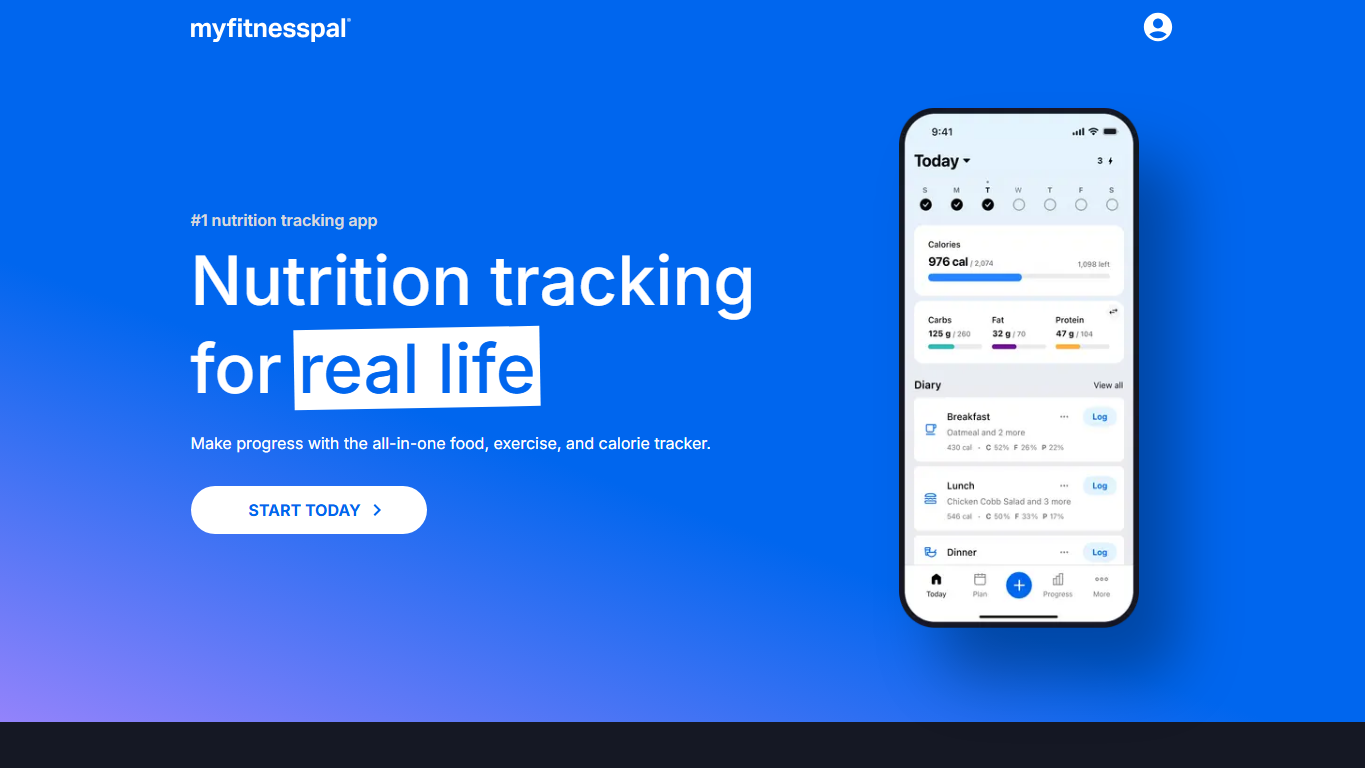
The central workflow is logging what a person eats and drinks. Users search for foods, enter servings, scan barcodes in supported contexts, save meals, and compare intake with a daily goal. The value comes from repetition: a single day of logging may be noisy, but weeks of records can reveal habits around portions, snacks, protein, fiber, restaurant meals, drinks, and late-night eating.
Macros, exercise, and goals
MyFitnessPal also frames nutrition around macronutrients such as carbohydrates, protein, and fat. Users may connect exercise, set weight goals, follow calorie targets, monitor progress, and adjust habits over time. The app can be used casually for awareness or more carefully by people who are training, changing body composition, managing food routines, or discussing diet patterns with a professional.
Who uses MyFitnessPal
MyFitnessPal is used by people trying to lose, gain, or maintain weight; athletes watching macros; gym users tracking protein; people learning portion sizes; dietitians discussing food records with clients; wellness coaches; users comparing meals; and everyday app users who want more awareness of nutrition. It is also referenced by health writers when explaining food diaries, calorie awareness, and consumer nutrition apps.
Food databases and user judgment
Nutrition trackers depend on food databases, serving sizes, labels, restaurant entries, and user-entered data. That makes judgment important. A logged food can be useful without being perfect, but errors in portion size or database entries can add up. MyFitnessPal works best when users treat the numbers as practical estimates and check important entries against labels or trusted nutrition sources.
Strengths and cautions
MyFitnessPal's strength is making food patterns visible in a familiar, searchable interface. The caution is that calorie tracking can become stressful or misleading for some people, especially when numbers feel more exact than they are. Nutrition data is not medical advice, and people with eating-disorder risk, medical conditions, pregnancy, or complex nutrition needs should use professional guidance rather than relying on an app alone.
Why it matters
Nutrition tracking websites matter because everyday eating is hard to remember accurately. Tools like MyFitnessPal can make invisible habits easier to see, which may help people ask better questions about food choices, routines, and goals. They also show the tradeoff in quantified health tools: data can support awareness, but it needs context, flexibility, and care.
WHOIS domain data
Data pulled: May 20, 2026View current WHOIS record
- Domain
- myfitnesspal.com
- IP address
- 172.64.153.11
- Registrar
- MarkMonitor Inc.
- WHOIS server
- whois.markmonitor.com
- Referral URL
- http://www.markmonitor.com
- Created
- November 16, 2004
- Updated
- May 14, 2025
- Expires
- November 16, 2028
- Nameservers
- elisa.ns.cloudflare.com (162.159.38.54); gannon.ns.cloudflare.com (108.162.195.59)
- Domain status
- clientDeleteProhibited, clientTransferProhibited, clientUpdateProhibited, serverDeleteProhibited, serverTransferProhibited, serverUpdateProhibited
- Registrant organization
- MyFitnessPal, Inc.
- Registrant country
- US
- Contact email
- Select Request Email Form at https://domains.markmonitor.com/whois/myfitnesspal.com
- Source
- https://who.is/whois/myfitnesspal.com