Fitbit
Fitbit is a popular wearable health and fitness website for activity trackers, smartwatches, sleep data, health metrics, wellness coaching, and connected fitness tools.
What Fitbit is
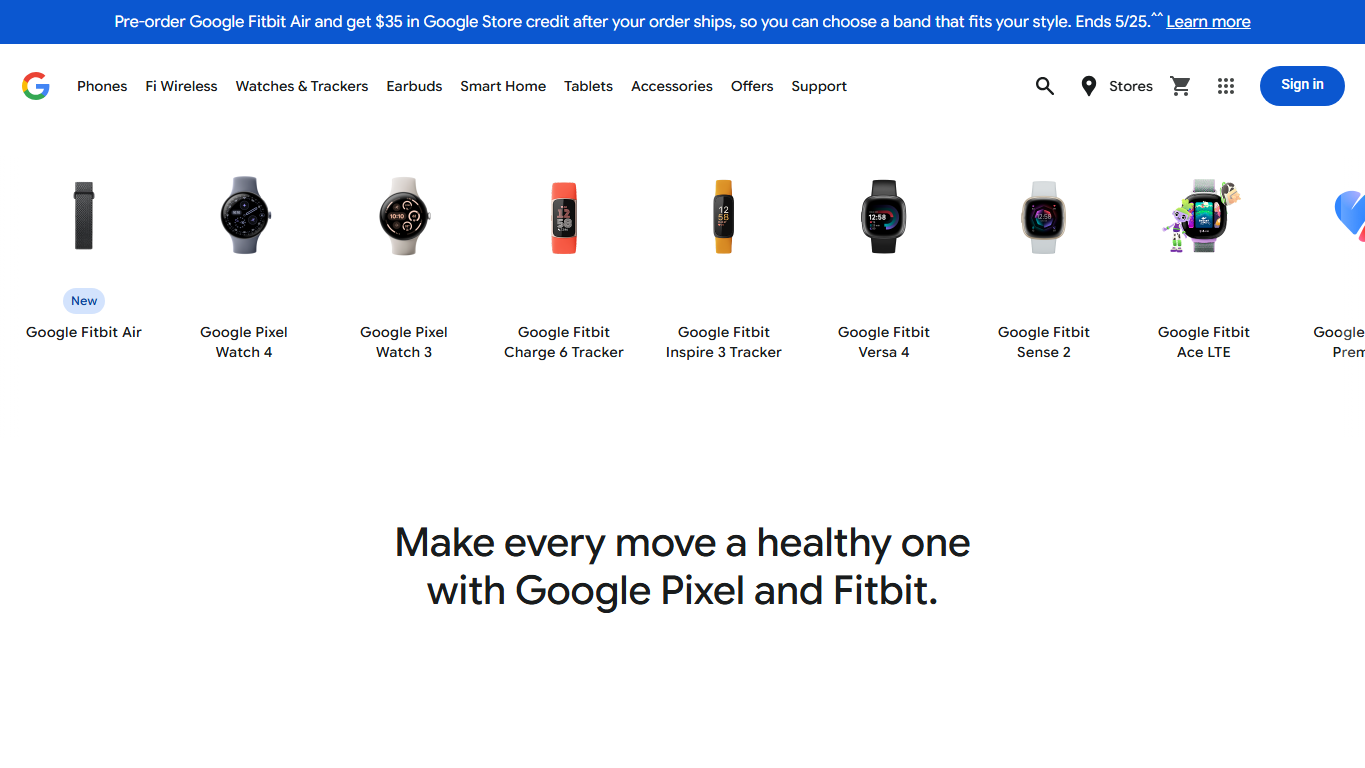
fitbit.com is the official website for Fitbit, a wearable health and fitness brand now presented as part of Google Fitbit and Google Health. The site introduces Fitbit trackers, Pixel watches, health-focused features, app-based insights, subscriptions, accessories, and support paths. For many people, Fitbit is a practical way to turn daily movement, workouts, sleep, and heart-rate patterns into visible trends.
Trackers, watches, and app data
Fitbit products collect signals such as steps, workouts, heart-rate patterns, sleep stages, active minutes, calories, and health trends depending on the device and settings. The companion app turns that raw activity into charts, goals, badges, reminders, readiness-style insights, and longer-term summaries. The website is partly a product storefront and partly an entry point into the app, account, and support ecosystem.
Health signals and everyday coaching
Fitbit is not a substitute for medical care, but it is designed to help people notice patterns in their routines. Sleep duration, resting heart rate, activity consistency, workout intensity, and stress-related signals can help users ask better questions about habits and recovery. Current Google Fitbit pages also frame the product line around health coaching, smartwatches, fitness trackers, and Google Health services.
Who uses Fitbit
Fitbit is used by walkers, runners, gym users, people building healthier routines, sleep trackers, patients discussing lifestyle data with clinicians, employees in wellness programs, parents buying simple trackers, older adults who want basic activity feedback, and smartwatch users who want notifications plus fitness features. Researchers and health writers may also discuss Fitbit as an example of consumer wearable data.
Fitbit inside Google
Google completed its acquisition of Fitbit in 2021, and the public Fitbit site now connects the brand with Google-made devices and Google Health language. That shift matters because Fitbit is no longer just a standalone tracker company; it sits inside a larger ecosystem of Pixel watches, Android services, cloud accounts, health data policies, subscriptions, and AI-assisted product messaging.
Subscriptions and services
Fitbit has offered paid services for deeper insights, guided workouts, readiness metrics, wellness reports, and coaching-style features. Which features are free or paid can change by market, device, subscription status, and Google account configuration. A careful buyer should compare the hardware price with ongoing service needs, data controls, battery life, platform compatibility, and the exact metrics they care about.
Strengths and cautions
Fitbit's strength is making health-related habits visible in a simple, everyday format. The caution is that wearable data is an estimate, not a full medical record. Sensors can miss context, sleep scores can feel more precise than they are, and privacy choices matter because health and activity data can be sensitive. Fitbit works best as a trend tool, not as a final diagnosis.
Why it matters
Wearable fitness websites matter because they bring health data into ordinary consumer technology. Fitbit helped popularize the idea that steps, sleep, heart rate, workouts, and goals could be tracked continuously and reviewed later. That can motivate healthier habits, but it also raises questions about data ownership, interpretation, access, and how much attention people should give to quantified self-tracking.
WHOIS domain data
Data pulled: May 20, 2026View current WHOIS record
- Domain
- fitbit.com
- IP address
- 34.149.183.214
- Registrar
- MarkMonitor Inc.
- WHOIS server
- whois.markmonitor.com
- Referral URL
- http://www.markmonitor.com
- Created
- April 25, 2003
- Updated
- March 24, 2026
- Expires
- April 25, 2027
- Nameservers
- ns-cloud-c1.googledomains.com (216.239.32.108); ns-cloud-c2.googledomains.com (216.239.34.108); ns-cloud-c3.googledomains.com (216.239.36.108); ns-cloud-c4.googledomains.com (216.239.38.108)
- Domain status
- clientDeleteProhibited, clientTransferProhibited, clientUpdateProhibited, serverDeleteProhibited, serverTransferProhibited
- Registrant organization
- Google LLC
- Registrant country
- US
- Contact email
- Select Request Email Form at https://domains.markmonitor.com/whois/fitbit.com
- Source
- https://who.is/whois/fitbit.com