Strava
Strava is a fitness tracking website and mobile app for recording activities, analyzing performance, sharing workouts, joining clubs, exploring routes, and competing on segments.
What Strava is
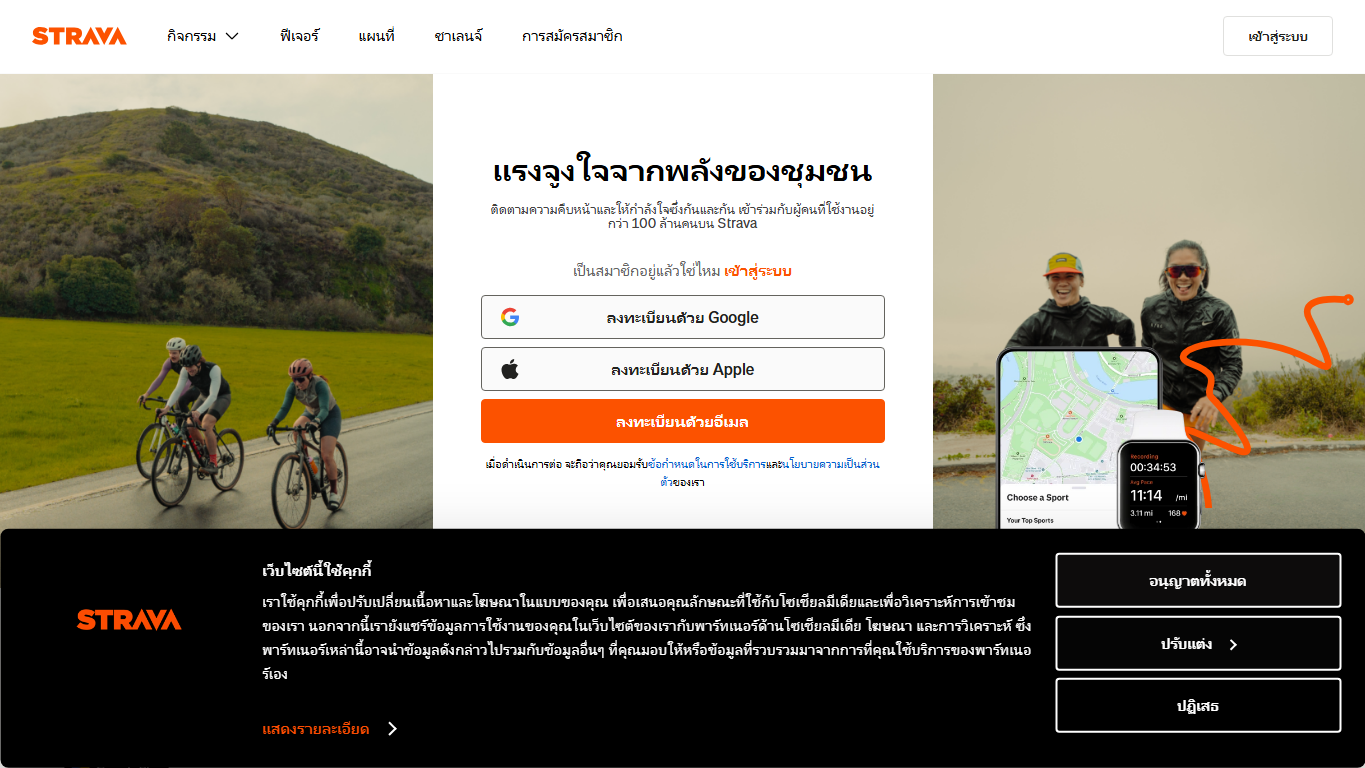
Strava is a fitness tracking website and app for recording, analyzing, and sharing physical activities. Athletes use it to log runs, rides, hikes, walks, swims, and other workouts, then review maps, pace, distance, elevation, time, training patterns, and social feedback.
Activity tracking and analysis
Strava can record an activity directly from its mobile app or receive data from GPS watches, cycling computers, phones, and other connected devices. After an upload, the activity page can show route maps, splits, pace, speed, heart rate, power, elevation, photos, and other data depending on the sport and device.
Segments and competition
Segments are one of Strava's signature features. They are member-created portions of roads or trails where athletes can compare efforts over the same stretch. Segment leaderboards, personal records, course records, KOMs, QOMs, and other achievements turn ordinary routes into shared benchmarks, though Strava can edit, verify, make private, or remove segments when needed.
Routes, maps, and discovery
Strava is also used for planning and discovery. Routes, maps, popular segments, heat-style activity patterns, race courses, and saved locations can help people find places to train or explore. Because public activity data can influence discovery tools, privacy choices matter for anyone who records from home, work, or sensitive locations.
Clubs and community
The social side of Strava includes feeds, followers, kudos, comments, clubs, group challenges, and club leaderboards. A club can be a casual group, racing team, workplace challenge, local running community, brand community, or event hub. Club feeds and leaderboards make individual training visible inside a shared group context.
Why it matters
Strava matters because it blends exercise logs with social networking and location-aware competition. It can motivate people to keep moving, compare progress, discover routes, and feel part of a community. At the same time, it raises practical questions about privacy, safety, fair leaderboards, subscription access, and how performance metrics shape motivation.
Limits and cautions
Strava data is only as reliable as the device, GPS signal, sensor setup, and privacy settings behind it. Leaderboards can be affected by recording errors, wrong activity types, vehicles, weather, and routing quirks. Users should review visibility controls, hide sensitive start and end points, and avoid treating every leaderboard or training metric as a complete picture of fitness.
WHOIS domain data
Data pulled: May 19, 2026View current WHOIS record
- Domain
- strava.com
- IP address
- 108.138.64.60
- Registrar
- GoDaddy.com, LLC
- WHOIS server
- whois.godaddy.com
- Referral URL
- http://www.godaddy.com
- Created
- December 22, 2003
- Updated
- December 23, 2025
- Expires
- December 22, 2027
- Nameservers
- ns-145.awsdns-18.com (205.251.192.145); ns-610.awsdns-12.net (205.251.194.98); ns-1461.awsdns-54.org (205.251.197.181); ns-1806.awsdns-33.co.uk (205.251.199.14)
- Domain status
- clientDeleteProhibited; clientRenewProhibited; clientTransferProhibited; clientUpdateProhibited