Substack
Substack is a publishing and subscription platform where writers, journalists, podcasters, commentators, educators, and creators publish newsletters, posts, podcasts, video, notes, and community updates directly to readers. Founded in 2017 by Chris Best, Hamish McKenzie, and Jairaj Sethi, it helped make paid newsletters and independent media businesses easier to launch by combining email distribution, web publishing, payment tools, subscriber management, and discovery features.
What Substack is
Substack is a platform for publishing directly to an audience. On Substack.com, a creator can start a publication, collect email subscribers, publish free or paid posts, send newsletters, host podcasts or video, build community features, and manage payments without building a separate media stack from scratch.
Email as distribution
The newsletter remains central because email reaches readers outside a social feed. A Substack publication is also a website and app presence, but the inbox gives writers a durable channel that is less dependent on algorithmic ranking than many social platforms.
Paid subscriptions
Substack made paid newsletters easier by bundling publishing, checkout, recurring billing, subscriber lists, paywalls, and basic analytics. Writers can offer free posts, paid posts, founding memberships, annual plans, trials, discounts, or mixed models where public work attracts readers and paid work supports the business.
From newsletters to network
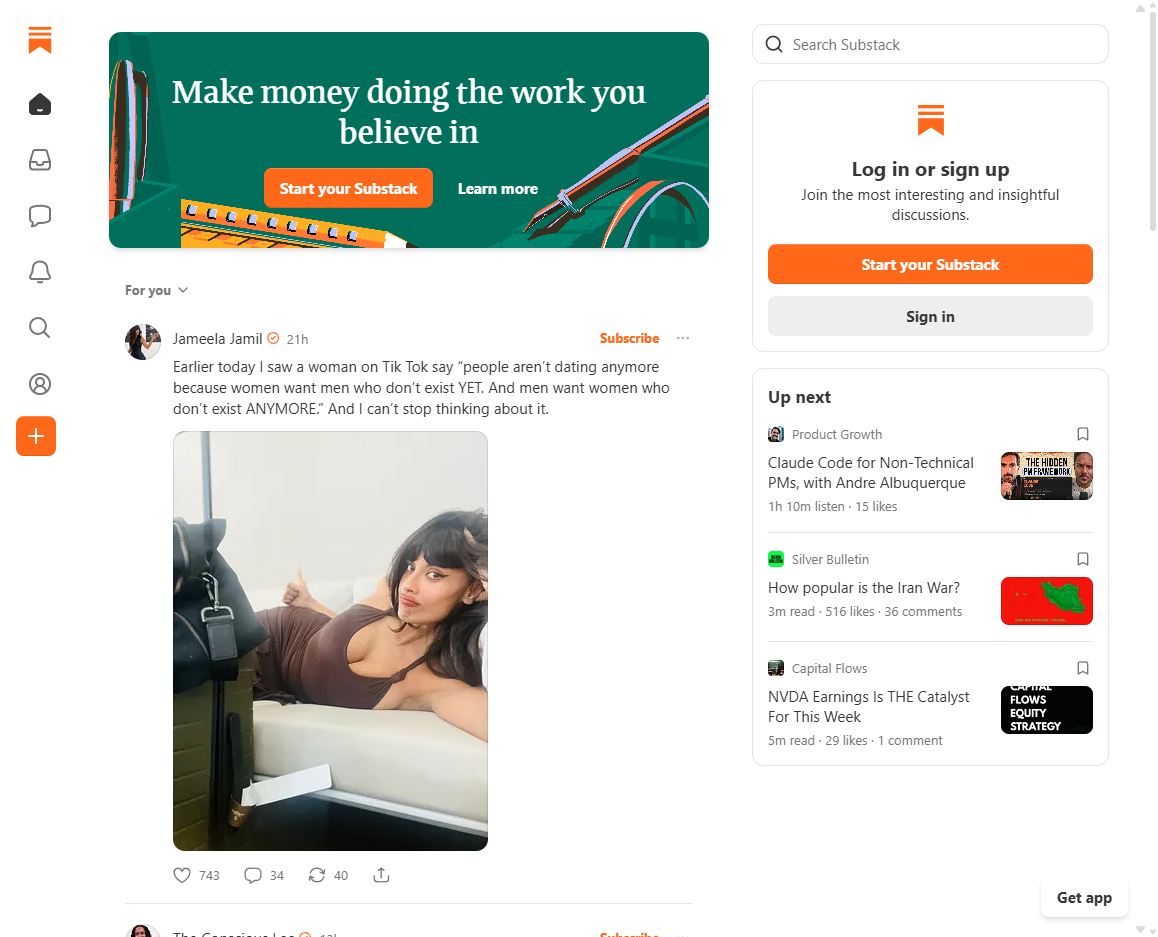
The product has expanded beyond simple email. Substack now includes the reader app, Notes, recommendations, comments, chats, podcasts, video, direct messages, and profile features. That makes it part publishing tool and part social network, with the tension that comes from trying to support independence while also shaping discovery.
Writer independence
A major appeal is control. Writers can own a subscriber relationship more directly than they can on many ad-supported platforms, set their own editorial voice, and build a business around readers who choose to subscribe. That promise is especially attractive to journalists, essayists, analysts, podcasters, and niche experts.
Moderation and trust
Substackโ€s independence-first pitch also creates hard moderation questions. The platform hosts politics, culture, health, finance, personal essays, and opinionated analysis, so decisions about harmful content, misinformation, harassment, adult material, and payment access can become public arguments about speech, safety, and platform power.
Rise and pressure
Substack rose during a period of media layoffs, creator-economy growth, social platform fatigue, and renewed interest in paid reader revenue. Its pressure points include subscriber fatigue, competition from Ghost, Beehiiv, Medium, Patreon, traditional publishers, podcast platforms, and the challenge of helping many small publications succeed, not only a visible group of stars.
Why it matters
Substack matters because it changed how many people think about publishing online. It made the independent newsletter feel like a complete business path: write, email, charge, discuss, and grow under one roof. That reshaped media careers, audience relationships, and the economics of niche expertise.