Eventbrite
Eventbrite is a popular event discovery and ticketing website where organizers publish event pages, sell or reserve tickets, manage registrations, and help people find live experiences online.
What Eventbrite is
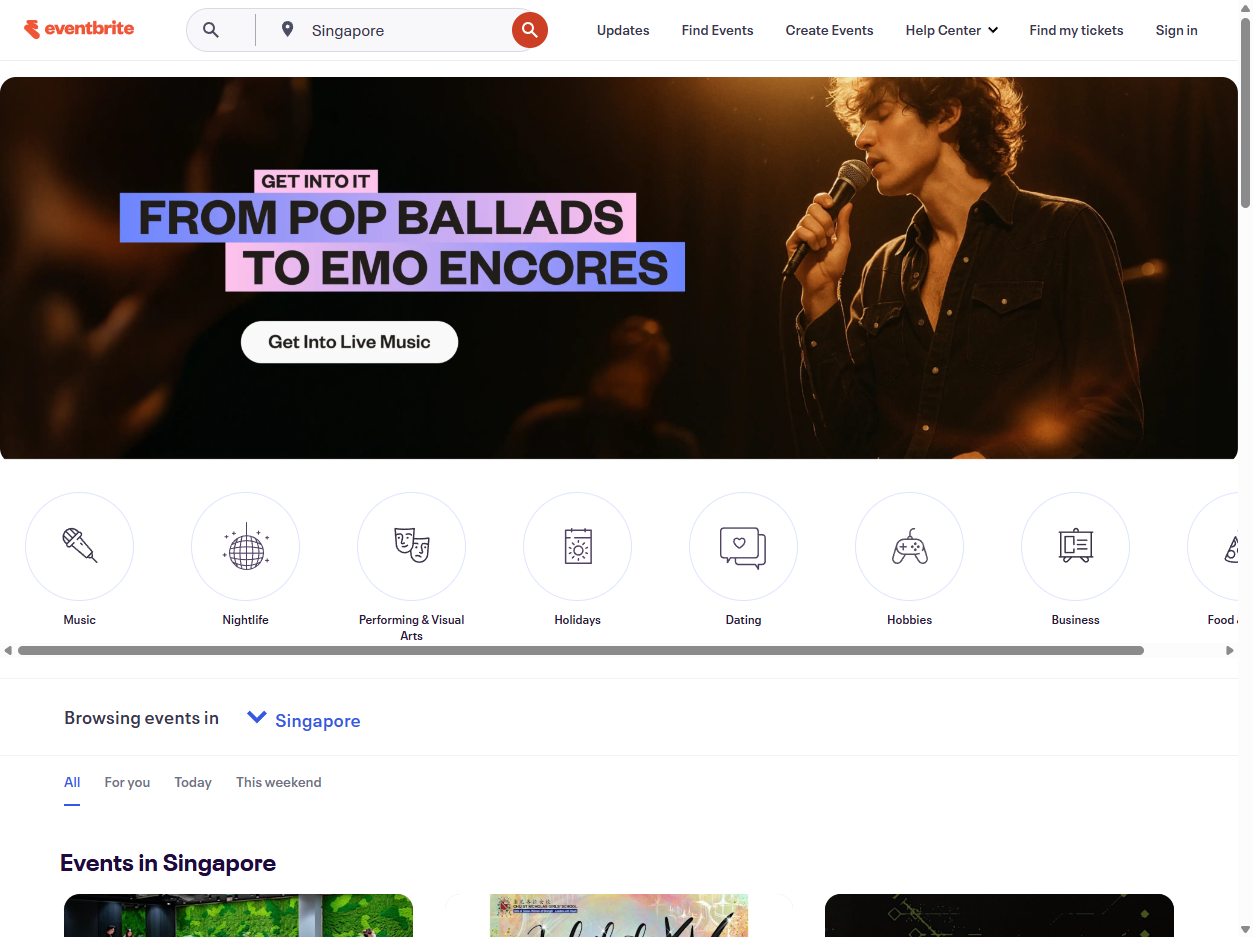
Eventbrite is an event discovery and ticketing website for concerts, classes, festivals, workshops, fundraisers, conferences, and local gatherings. On Eventbrite.com, visitors can search for events and reserve or buy tickets, while organizers can create event pages, set ticket types, collect registrations, and communicate with attendees. The official Eventbrite app is available on the App Store and Google Play.
.svg)

How the site works
An organizer creates a listing with time, location, description, images, ticket options, and policies. Eventbrite then handles the public page, checkout flow, confirmation emails, attendee lists, mobile tickets, and basic reporting. For free events, the site can act mostly like a registration tool; for paid events, it becomes both a ticketing system and a payment workflow.
Discovery and promotion
Eventbrite is not only a back-office tool for organizers. It also works as a marketplace where people browse nearby events by city, category, date, price, and interest. That discovery layer is why the same platform can serve a neighborhood class, a business webinar, a comedy show, or a large public festival.
Organizer tools
The organizer side includes event publishing, reserved or general admission ticket types, discount codes, email tools, analytics, refund settings, integrations, and door check-in through mobile apps. These tools reduce the amount of custom infrastructure an event creator needs before selling tickets online.
Trust and tradeoffs
Eventbrite makes event publishing easy, but that openness also means attendees still need to check who is running an event, what the refund policy says, and whether the listing is connected to the expected venue or organizer. The platform supplies ticketing infrastructure; it does not make every event equally official, high-quality, or risk-free.
Rise and reinvention
Eventbrite grew with the broader shift from offline event promotion to self-service web tools, later becoming a public company. In December 2025 it announced an agreement to be acquired by Bending Spoons, and SEC filings record that the acquisition closed on March 10, 2026. That ownership change made Eventbrite private again and turned its next chapter toward product changes, operational restructuring, and long-term platform investment.
Why it matters
Eventbrite helped make small and mid-sized events easier to publish, ticket, and discover without building a custom website or payment system. Its importance is less about one famous feature than about lowering the threshold for real-world gatherings to become searchable, bookable, and shareable online.
WHOIS domain data
Data pulled: May 24, 2026View current WHOIS record
- Domain
- eventbrite.com
- IP address
- 3.170.3.61
- Registrar
- CSC Corporate Domains, Inc.
- WHOIS server
- whois.corporatedomains.com
- Referral URL
- http://cscdbs.com
- Created
- January 25, 2006
- Updated
- January 21, 2026
- Expires
- January 25, 2027
- Nameservers
- ns-1123.awsdns-12.org (205.251.196.99); ns-1609.awsdns-09.co.uk (205.251.198.73); ns-164.awsdns-20.com (205.251.192.164); ns-877.awsdns-45.net (205.251.195.109)
- Domain status
- clientTransferProhibited
- DNSSEC
- unsigned